Moisturizers: How to Choose the Right One for Your Skin’s Needs After 40
If serum is your correction step, moisturizer is your protection step. And after 40, protection is no longer optional.
One of the most common misconceptions I see in mature skin is this:
“I don’t need moisturizer, my skin isn’t dry.”
But moisture and oil are not the same thing. And even oily skin can be dehydrated and barrier-compromised.
Let’s clarify what a moisturizer actually does and how to choose the right one for your skin now. I will help you choose the right moisturizer after 40 and beyond.
What a Moisturizer Really Does
A moisturizer does three essential things:
1. Replenishes hydration
2. Reinforces the skin barrier
3. Reduces transepidermal water loss (TEWL)
After 40, your skin naturally produces fewer lipids, the protective fats that keep moisture in and irritants out.
Without adequate barrier support:
• Fine lines appear more pronounced
• Skin looks dull
• Sensitivity increases
• Inflammation lingers longer
• Active ingredients become harder to tolerate
Moisturizer is not just about comfort. It’s about structural stability.
Why Skin Changes After 40
As estrogen declines, so does:
• Collagen production
• Natural ceramide levels
• Sebum output
• Skin thickness
This means your skin loses water more easily and becomes more vulnerable to environmental stress. The moisturizer you used at 32 is likely not enough at 52.
Mature skin doesn’t need heavier products by default. It needs smarter formulation.
Understanding the Three Components of a Balanced Moisturizer
A well-formulated moisturizer typically contains a combination of:
1. Humectants (Water Attractors)
These draw water into the skin.
Examples:
• Hyaluronic acid
• Glycerin
• Sodium PCA
• Aloe
Humectants hydrate but they cannot seal moisture in on their own.
2. Emollients (Surface Smoothers)
These soften and smooth the skin’s surface.
Examples:
• Squalane
• Jojoba oil
• Shea butter
• Fatty alcohols
Emollients improve texture and flexibility.
3. Occlusives (Protective Sealants)
These create a light barrier to reduce water loss.
Examples:
• Ceramides
• Dimethicone
• Beeswax
• Certain plant butters
Occlusives prevent hydration from evaporating.
The best moisturizers contain a thoughtful balance of all three.
How to Choose the Right Moisturizer for Your Skin
Instead of asking, “Is this rich enough?” Ask, “What does my barrier need?”
If Your Skin Feels Tight or Dehydrated
Look for:
• Hyaluronic acid
• Glycerin
• Ceramides
• Squalane
Choose a cream that restores water and reinforces barrier lipids like Decus Beauty HydraPerfection Moisturizer.
If Your Skin Is Sensitive or Reactive
Look for:
• Ceramides
• Beta glucan
• Allantoin
• Colloidal oatmeal
• Microbiome-supportive ferments
Avoid highly fragranced or overly active formulas.
When the barrier is calm, everything improves.
If Your Skin Feels Thinner or Less Firm
Look for:
• Peptides
• Antioxidants
• Ceramide complexes
• Cholesterol + fatty acid blends
These support structural resilience without overwhelming the skin.
If You Still Experience Oil or Breakouts
Avoid heavy occlusives that sit too thickly on the skin.
Instead, choose:
• Lightweight creams
• Gel-cream hybrids
• Non-comedogenic emollients like squalane
Oily mature skin still needs barrier support, just in a refined format.
Common Moisturizer Mistakes After 40
• Skipping moisturizer in humid weather
• Using facial oil alone (oil is not hydration)
• Over-exfoliating and under-moisturizing
• Switching products too frequently
• Choosing “anti-aging” over barrier stability
A compromised barrier makes every other step less effective.
Moisturizer is what allows your serum to work properly.
How to Apply Moisturizer Correctly
Application matters.
Morning:
1. Cleanse
2. Tone
3. Serum
4. Moisturizer
5. SPF
Evening:
1. Cleanse
2. Tone
3. Serum
4. Moisturizer
5. Optional facial oil for additional nourishment
Apply moisturizer while the skin is still slightly damp to lock in hydration. Press gently into the skin rather than aggressively rubbing. And remember, consistency builds resilience.
The Real Role of Moisturizer
Moisturizer is not the “basic” step. It is the stabilizing step. It protects your investment in every other product you use.
When your barrier is intact:
• Skin appears smoother
• Tone looks more even
• Fine lines soften
• Actives perform better
• Sensitivity decreases
Glow is not created by layering more products. It’s created by strengthening the foundation. And moisturizer is that foundation.
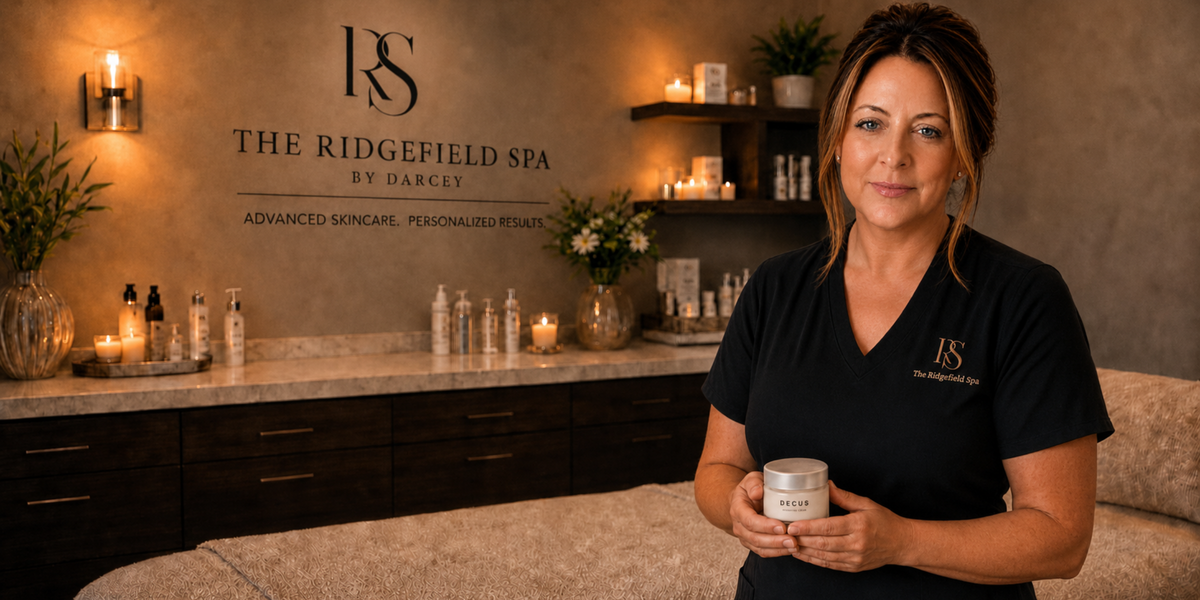
Not sure which moisturizer is right for your skin? Book a customized facial at The Ridgefield Spa by Darcey in Ridgefield, CT for personalized guidance.

Written by Darcey Wulkan