Serums for Mature Skin: Targeted Treatments That Actually Change Your Skin
If cleansing prepares the skin, and toner restores balance, serum is where transformation begins. This is the step where results happen.
But here’s where many women over 40 feel overwhelmed:
- Too many actives.
- Too many trends.
- Too many promises.
The truth? You don’t need more serums for mature skin. You need the right one, used correctly. So let’s simplify it.
What Is a Serum, Really?
A serum is a concentrated treatment designed to target a specific skin concern.
Unlike moisturizers, which help protect and seal in hydration, serums typically use lighter textures and concentrated ingredients designed to target specific skin concerns.
Think of your serum as your correction step. It’s not about layering five different actives. It’s about choosing one that supports what your skin is truly asking for.
Why Serums Matter More After 40
After 40, skin physiology shifts:
- Collagen production declines
- Cell turnover slows
- Lipid production decreases
- Hormonal fluctuations impact tone and texture
- The skin barrier becomes thinner
This is why the routine that worked in your 30s may suddenly feel ineffective. Maturing skin doesn’t need harsher treatments. It needs targeted support.
When chosen well, a serum can:
- Improve elasticity
- Support collagen integrity
- Restore hydration at a deeper level
- Brighten uneven tone
- Strengthen barrier function
Serums are not about quick fixes. They’re about intelligent correction.
The Three Categories of Serums (Made Simple)
Instead of focusing on trendy ingredients, focus on function.
1. Hydrating & Barrier-Support Serums
Best for:
- Tightness
- Dehydration
- Sensitivity
- Post-menopausal skin changes
Look for:
- Hyaluronic acid
- Glycerin
- Beta glucan
- Peptides
- Microbiome-supportive ingredients
These restore water content and reinforce your skin’s protective layer. For many women over 40, this is where improvement should begin.
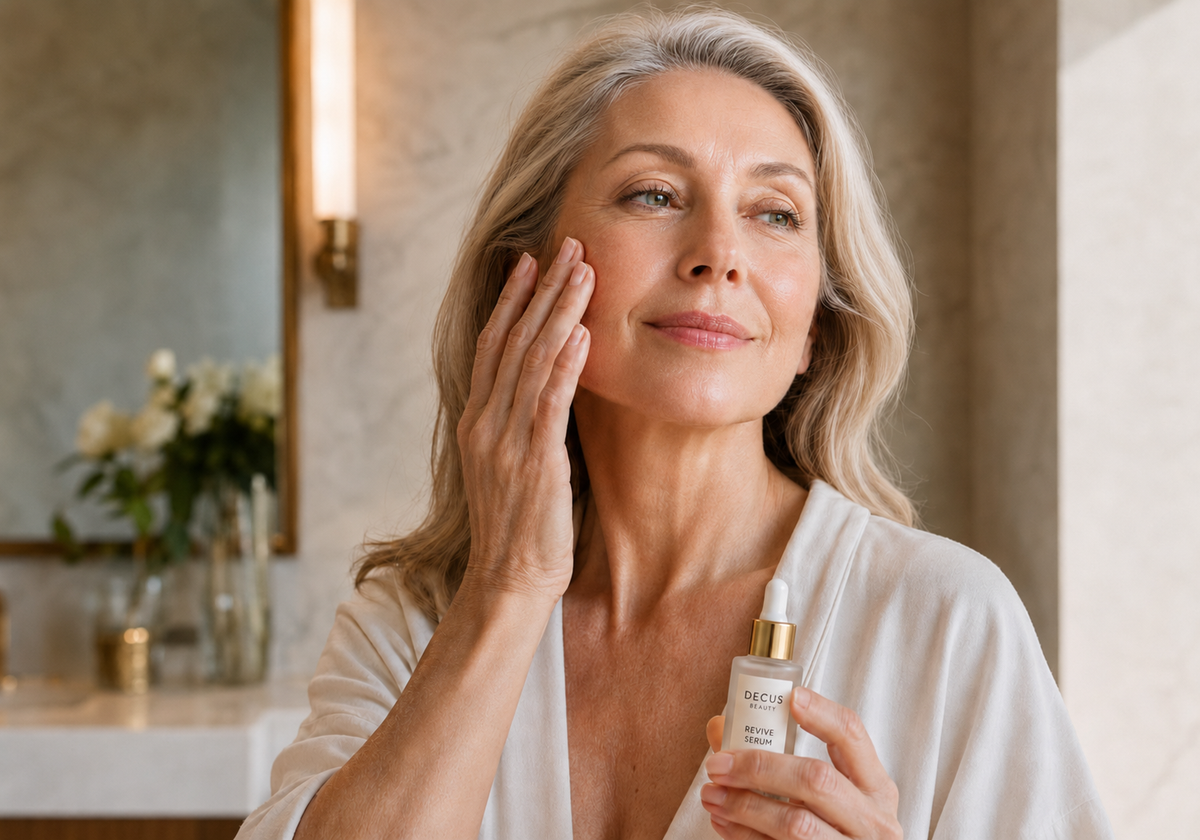
Because dullness is often dehydration in disguise. If you’re seeking hydration and barrier support, try our Decus Beauty Revive Serum.
2. Brightening & Tone-Correcting Serums
Best for:
- Sun spots
- Uneven pigmentation
- Dull tone
Look for:
- Vitamin C
- Niacinamide
- Licorice root
- Alpha arbutin
Hormonal shifts can trigger pigment irregularities, even years after sun exposure. The Decus Beauty Vitamin C Serum is a great solution that helps to brighten skin and treat uneven pigmentation.
The key is controlled, consistent use, not aggressive layering.
3. Firming & Regenerative Serums
Best for:
- Fine lines
- Thinning skin
- Loss of elasticity
Look for:
- Peptides
- Antioxidants
- Retinol alternatives
- Growth-factor supportive ingredients
Serums with these ingredients, like the Decus Beauty Resurgence Serum, encourage structural support within the skin without compromising the barrier.
Remember: strength first, correction second.
Common Serum Mistakes That Slow Results
More is not better. In fact, overloading your skin is one of the fastest ways to stall progress.
Avoid these common mistakes:
- Using multiple strong actives at once
- Layering incompatible ingredients
- Ignoring the product's application directions
- Skipping moisturizer afterward
- Switching products too quickly
Consistency allows skin to adapt and respond. Barrier stability determines whether active ingredients work, or irritate.
How to Choose the Right Serum for You
Ask yourself:
Is my skin tight, flat, or reactive? Start with hydration and barrier support.
Is uneven tone my biggest concern? Choose a controlled brightening serum.
Am I noticing sagging or thinning? Focus on firming support.
If your skin feels unstable, always stabilize first. Corrective skincare only works when the foundation is strong.
How to Apply a Serum Correctly
Application matters.
Morning routine:
1. Cleanse
2. Tone
3. Apply serum as directed; hydrating serums may be applied to slightly damp skin
4. Moisturize
5. SPF
Evening routine:
1. Cleanse
2. Tone
3. Apply serum according to the product directions
4. Moisturize
5. Optional facial oil if additional nourishment is needed
(*if the facial oil isn’t already your serum)
Serums should be pressed gently into the skin, not rubbed aggressively. And patience is essential. Most meaningful improvements appear within 6–12 weeks of consistent use.
The Real Purpose of a Serum
A serum is not meant to overwhelm your skin. It’s meant to support it.
When the right active ingredients are paired with barrier-conscious formulation, the skin begins to function the way it was designed to.
And when skin functions well, glow follows.
Radiance isn’t created by force. It’s restored through balance, intelligence, and consistency.
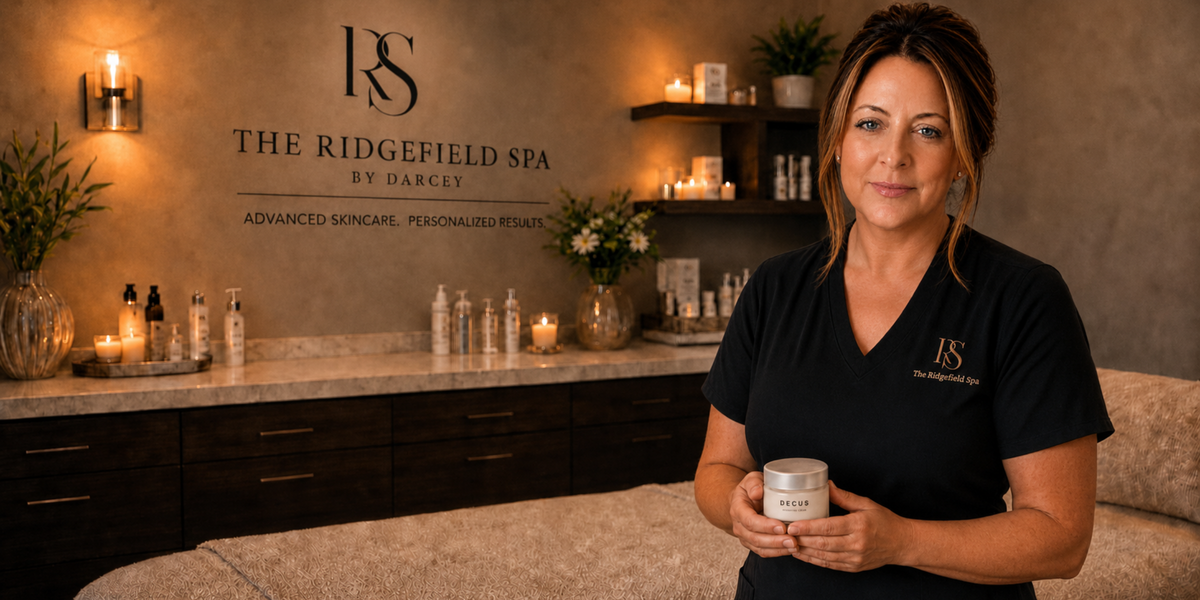
Not sure which serum is right for your skin? Book a personalized consultation at the Ridgefield Spa by Darcey, in Ridgefield, CT, for expert guidance tailored to your skin's needs and goals.

Written by Darcey Wulkan